Current position > Product detail
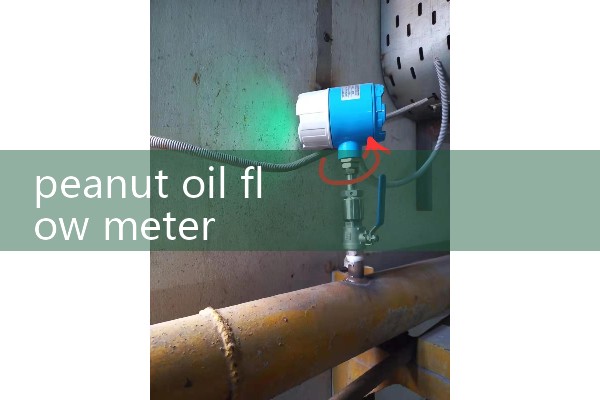
peanut oil flow meter
『peanut oil flow meter』Related information(v cone flow meter|rotary gas meter|gallon meter|gear meter|metal tube rotameter|glass tube rotameter|nutating disk meter|transit time ultrasonic flow meter|wedge flow meter|pd meters|hydraulic flow meter|ultrasonic water flow meter|water flow meter|air flow meter|magnetic water flow meter|oxygen flow meter|gas flow meter|argon flow meter|air velocity meter|gasoline flow meter|fuel flow meter|ultrasonic water meter|digital water meter|nitrogen flow meter|solid flow meter|Oxygen tank flow meter|digital water flow meter|diesel fuel flow meter|steam flow meter|02 flow meter|compressed air flow meter|oil flow meter|liquid flow meter)
 Here is a comprehensive article about peanut oil flow meters.
---
### Precision in Every Drop: The Essential Guide to Peanut Oil Flow Meters
In the world of food production and industrial processing, accuracy is not just a matter of efficiency—it is a matter of quality, safety, and profitability. For industries that handle viscous edible oils like peanut oil, selecting the right flow meter is a critical decision. Peanut oil, prized for its high smoke point and nutty flavor, presents unique challenges due to its viscosity, density, and temperature sensitivity. This article explores the essential role of flow meters in measuring peanut oil, the types best suited for the task, and key factors to consider for a successful installation.
**Why a Standard Flow Meter Wont Work**
Peanut oil is a non-Newtonian fluid, meaning its viscosity changes under different shear rates and temperatures. At room temperature, it is relatively thick. When heated, it becomes much thinner. A standard flow meter designed for water or light hydrocarbons will struggle to maintain accuracy. Errors in measurement can lead to incorrect ingredient ratios in cooking, financial losses in bulk transactions, or compliance issues in regulated environments. Therefore, a flow meter for peanut oil must be robust, reliable, and calibrated for viscous fluids.
**The Right Tools for the Job**
Several flow meter technologies are effective for peanut oil, each with its own strengths:
1. **Positive Displacement (PD) Flow Meters:** These are often the gold standard for high-viscosity liquids like peanut oil. PD meters trap a fixed volume of fluid in rotating chambers and count the number of times the chamber is filled. Because they measure volume directly, they
 are highly accurate (often ±0.1% to ±0.5%) and largely unaffected by changes in viscosity or flow profile. The helical gear or oval gear designs are particularly popular for smooth, pulsation-free measurement of peanut oil.
2. **Coriolis Flow Meters:** Coriolis meters measure mass flow directly. This is a significant advantage for peanut oil because mass does not change with temperature or density. They offer extremely high accuracy (±0.1%) and can also measure density and temperature simultaneously. Their main drawback is cost; they are a premium solution. However, for critical custody transfer applications where every kilogram counts, the investment is justified.
3. **Gear Flow Meters:** A subtype of PD meters, gear meters offer excellent low-flow sensitivity. They can measure very small, precise amounts of peanut oil, making them ideal for batching and dispensing applications in commercial kitchens or small-scale bottling plants.
**Key Considerations for Selection**
Choosing the right peanut oil flow meter involves more than just picking a technology. Consider these practical factors:
- **Material Compatibility:** No single meter will fit every application. The wetted parts must be resistant to the oils chemical properties and suitable for food contact. Common materials include 316 stainless steel (excellent durability) and PTFE or PEEK for seals. Avoid materials that can corrode or leach chemicals.
- **Viscosity Range:** Always specify the operating viscosity of your peanut oil—both the ambient and process temperatures. A meter that works perfectly at 40°C may fail at 10°C.
- **Flow Range and Turndown Ratio:** Ensure the meter can handle your maximum and minimum flow rates without losing accuracy. A wide turn
『SILVER Official Website SERVICE』
User:ultrasonicflowmeter51c68Last Time:07/22/2026