

 Current position > News detail
『Elkhart Flow Meter Manual: Calibrating and Sizing Fire Hose Flow Testing Kits』Related information(v cone flow meter|rotary gas meter|gallon meter|gear meter|metal tube rotameter|glass tube rotameter|nutating disk meter|transit time ultrasonic flow meter|wedge flow meter|pd meters|hydraulic flow meter|ultrasonic water flow meter|water flow meter|air flow meter|magnetic water flow meter|oxygen flow meter|gas flow meter|argon flow meter|air velocity meter|gasoline flow meter|fuel flow meter|ultrasonic water meter|digital water meter|nitrogen flow meter|solid flow meter|Oxygen tank flow meter|digital water flow meter|diesel fuel flow meter|steam flow meter|02 flow meter|compressed air flow meter|oil flow meter|liquid flow meter)
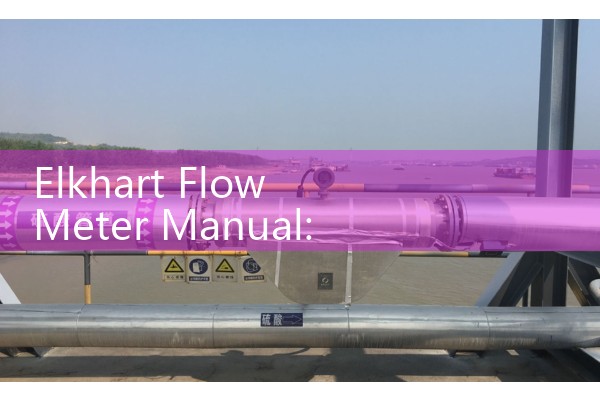
Elkhart Flow Meter Manual: Calibrating and Sizing Fire Hose Flow Testing Kits
Quick Answer: The Elkhart flow meter manual covers calibrating and sizing fire hose flow testing kits by checking the pressure gauge and Pitot tip against a master reference and matching the kit to hose diameter, flow, and pressure. Silver Automation Instruments supplies digital flow meters and pressure transmitters for the same fire pump and hydrant test points.
Why Fire Hose Flow Test Kits Need Calibration
Fire hose flow tests use pressure readings from Pitot gauges. A small gauge error changes the calculated flow a lot. For example, a 2 psi error at 80 psi can shift flow by 4 percent or more. Calibration catches this drift before the test. The Elkhart flow meter manual lists calibration as a routine task. Most engineers skip this part because the kit looks simple in the case.
In practice we have seen hydrant test records with the same static pressure for five years. That is a red flag. Last year a fire pump service company in Vietnam found a 3 psi zero shift after the kit was left in a service truck. Gauges drift due to vibration, water hammer, and rough handling. A calibration check against a master gauge takes 20 minutes on site. It tells you if the kit is still fit for a pump acceptance test.
How to Size a Fire Hose Flow Testing Kit
Sizing starts with the hose connection. Most fire hoses are DN40, DN65, or DN100. The test kit nozzle, gauge, and Pitot blade must match the inside diameter. Do not adapt a DN65 gauge set to a DN100 hose without checking the flow coefficient. The manual gives a coefficient table. The common value for a sharp edge Pitot is 0.9. A rounded tip may be 0.98. Use the right number in the flow formula.
Then size by expected flow. A 1.5 inch fire hose may flow 100 to 200 gpm. A 2.5 inch hose may flow 250 to 500 gpm. A fire hydrant test on a 150 mm water main may exceed 1000 gpm. Choose a kit with a gauge range that covers the discharge pressure without pinning the needle at the top. If the normal discharge is 90 psi, use a 0 to 160 psi or 0 to 200 psi gauge. The needle should sit in the middle third.
The standard flow formula from the manual is Q equals 29.83 times c times d squared times the square root of P. Q is flow in gpm. c is the Pitot coefficient. d is nozzle diameter in inches. P is pressure in psi. Use a calculator or the table in the manual.
Calibration Steps from the Elkhart Manual
The manual describes a simple bench calibration. Remove the gauge from the case. Connect it to a master gauge with a tee and a hand pump. Pressurize at five points. Record readings at 25, 50, 75, 100, and 125 psi. The kit gauge must read within 2 percent of full scale. If not, adjust or replace it.
Calibrate the Pitot tip visually under magnification. Look for dents, burrs, or rounding at the sharp edge. A damaged Pitot edge changes the coefficient. The manual often tells you to replace the tip or file it square. Never file the bore. Check the hose bladder and fittings for leaks. A small leak drops the pressure before the gauge and gives false low flow.
After calibration tag the kit with the date and the next due date. Write the master gauge serial number. This makes the record auditable for ISO or fire code inspection. Fire pump tests under NFPA require calibrated equipme
Digital Upgrade for Fire Hose Flow Testing
Manual Pitot kits are simple but they need reading, tables, and manual math. A digital flow meter or a pressure transmitter with data logging removes two error sources. These are gauge parallax and arithmetic mistakes. For a fire pump test, mount a clamp-on ultrasonic flow meter on the pipe. It reads flow directly in m3/h or gpm. It also logs data at one second intervals. At the same time install a pressure transmitter at the pump discharge. The two 4-20 mA signals go to a paperless recorder. This gives you a printed curve of flow versus pressure.
Silver Automation Instruments supplies electromagnetic flow meters, clamp-on ultrasonic flow meters, and pressure transmitters for fire water lines. A DN100 electromagnetic flow meter with PTFE liner and 316L electrodes works for fresh water and brackish water. It outputs 4-20 mA HART. Accuracy is plus or minus 0.5 percent of reading. That is far tighter than a Pitot gauge. Send us your pipe size, pressure, temperature, and flow range. We will propose a meter and a transmitter pair.
Common Field Problems
One common problem is using a kit sized for a smooth bore nozzle on a fog nozzle. This gives an incorrect flow coefficient. Another problem is testing through a partially closed valve. The flow reading looks stable but the pressure drop is wrong. Always wedge the valve fully open and record the position. Air in the gauge line also causes a bouncing needle. Bleed the line at the highest point before the test.
In Southeast Asia and the Middle East high ambient temperatures move gauge calibration. A gauge left in a truck cab at 50 degrees Celsius can shift by 1 to 2 percent. Let the kit cool for 30 minutes before a test. Keep it out of direct sun. This small step improves repeatability.
Frequently Asked Questions
How often should an Elkhart fire hose flow test kit be calibrated?
Calibrate the gauge every 12 months or before a pump acceptance test. If the kit is dropped or exposed to water hammer, calibrate it before the next use.
What flow range can a Pitot gauge kit cover?
It depends on the nozzle and hose. A DN40 kit covers 100 to 200 gpm. A DN65 kit covers 250 to 500 gpm. A DN100 hydrant test can go above 1000 gpm with the right gauge.
Can I use an electromagnetic flow meter instead of a Pitot kit?
Yes. An inline or clamp-on meter gives direct flow. It is a good choice for fire pump tests that need a printed record. The meter must be sized for the full pipe and have a suitable liner.
What pressure range should the test gauge have?
Use a gauge range where the expected discharge pressure is between 40 and 70 percent of full scale. For 90 psi discharge, use a 0 to 160 psi gauge.
Which Silver Instruments products fit fire water testing?
Electromagnetic flow meters, clamp-on ultrasonic flow meters, and pressure transmitters fit most fire pump and hydrant applications. Send your flow range and pipe size for a quote.
Contact Silver Automation Instruments
Tel: +86-25-68650347
WhatsApp: +86-25-52155837
WeChat: +86 15365082610
Send us your pressure in bar, temperature in degrees Celsius, pipe size in DN, and flow range in m3/h or gpm. We will recommend a calibrated flow meter or pressure transmitter for your fire hose flow testing project.