

 Current position > Product detail
『How a Mass Flow Meter Works: Volumetric vs Mass Measurement』Related information(v cone flow meter|rotary gas meter|gallon meter|gear meter|metal tube rotameter|glass tube rotameter|nutating disk meter|transit time ultrasonic flow meter|wedge flow meter|pd meters|hydraulic flow meter|ultrasonic water flow meter|water flow meter|air flow meter|magnetic water flow meter|oxygen flow meter|gas flow meter|argon flow meter|air velocity meter|gasoline flow meter|fuel flow meter|ultrasonic water meter|digital water meter|nitrogen flow meter|solid flow meter|Oxygen tank flow meter|digital water flow meter|diesel fuel flow meter|steam flow meter|02 flow meter|compressed air flow meter|oil flow meter|liquid flow meter)
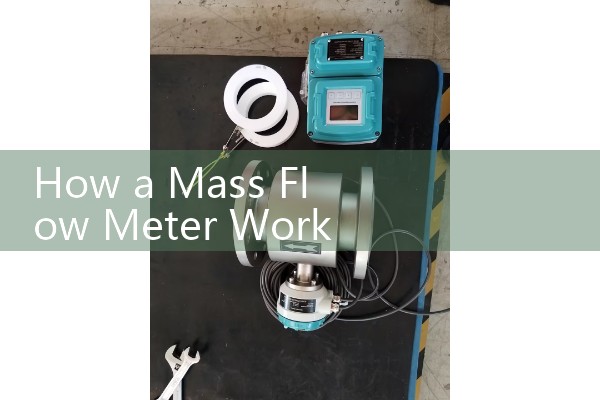
Mass Flow Meter vs Volumetric Flow Meter: How Mass Measurement Works
Quick Answer: A mass flow meter reports flow in mass units such as kg/h or lb/min. A volumetric flow meter reports flow in volume units such as m3/h or L/min. Process engineers should choose mass measurement when fluid density changes with temperature, pressure, or composition.
What a Mass Flow Meter Actually Measures
Many flow instruments measure volume first. A turbine meter counts rotation. An oval gear meter counts pocket volume. They do not see mass. A mass flow meter measures mass directly or infers it from a known density. Coriolis meters measure mass directly through inertia. Thermal mass meters measure mass velocity in gas using heat transfer. That distinction matters in real plants.
Volume changes with temperature and pressure. Mass does not. A diesel delivery in Singapore at 30 °C may show 1000 L. The same diesel at 10 °C in Melbourne occupies less volume. The mass stays the same. If you buy fuel by volume, you need temperature correction. If you buy fuel by mass, you get the same kg regardless of temperature.
Volumetric Flow Meter Limits in Process Conditions
Volumetric meters include electromagnetic, turbine, vortex, oval gear, and ultrasonic. They are useful. We sell many of them for water and wastewater. But they have limits. A vortex meter on compressed air may show volume flow at actual conditions. The air density depends on pressure. The plant may need standard cubic metres per hour or mass flow in kg/h. You need a pressure transmitter, a temperature sensor, and a flow computer. That adds cost and maintenance.
We have seen this on customer sites many times. A biogas plant in Thailand measured raw gas with a vortex meter. The gas pressure swung from 20 kPa to 80 kPa. The volume reading moved but the energy content did not match. They switched to a thermal mass flow meter. The kg/h reading became stable and the boiler control improved.
Direct Mass Measurement Technologies
Two common mass flow meter types are Coriolis and thermal. Coriolis mass flow meters are for liquids and high pressure gas. Thermal mass flow meters are for low pressure gas and compressed air. Both output mass units directly.
A Coriolis meter has one or two tubes. The meter vibrates the tubes. Fluid mass passing through changes the tube phase or frequency. The meter computes mass flow, density, and temperature. That gives three values from one instrument. Typical turndown is 100:1. Accuracy can be 0.1 percent of rate for liquids. Pressure drop is low on larger DN sizes. It handles high viscosity. A paint manufacturer in Vietnam uses a Coriolis meter on resin at 800 cP. The meter does not need upstream or downstream straight pipe.
Coriolis Mass Flow Meter Outputs and Data
Silver Automation Instruments supplies the SI-CMF series Coriolis mass flow meter from DN15 to DN200. Process connections include tri-clamp, flange, or thread. Outputs are 4-20 mA HART, pulse, or RS485 Modbus. Accuracy is 0.1 to 0.2 percent of rate for liquids. Density accuracy is 0.0005 g/cm3. Temperature measurement uses PT100. The meter can measure mass flow in kg/h, density in g/cm3, and temperature in °C at the same time.
Engineers use the density output for quality checks. A food plant in Indonesia measures syrup concentration. If density drops, the batch is off spec. The operator stops the batch before wasting product. A single Coriolis meter replaces a flow meter plus a density meter plus a temperature transmitter.
For hazardous areas, the SI-CMF series offers ATEX Zone 1 and IECEx certification options. For conductive liquids, the SI-EMAG series electromagnetic flow meter measures volume flow with conductivity as low as 5 µS/cm.
Thermal Mass Flow Meter for Gas
Thermal mass flow meters are different. They measure gas mass flow by heat transfer between two sensors. One sensor is heated. The gas flow
We supply the SI-TMF series for air, nitrogen, biogas, natural gas, and flue gas. Insertion probes fit DN80 to DN3000 pipes. Inline types fit DN15 to DN100. Accuracy is 1.0 to 1.5 percent of reading plus 0.5 percent of full scale. Output is 4-20 mA HART or Modbus. These meters work well in low pressure gas lines where Coriolis meters cost more.
How to Choose Between Mass and Volumetric Flow Meters
Start with the process question. Do you need kg/h, density, or standard gas volume? Choose mass. Do you need simple water totalising at constant conditions? Choose electromagnetic. Do you need high viscosity fuel oil batching? Choose Coriolis or oval gear with temperature correction. Do you need low pressure biogas or compressed air? Choose thermal mass.
Here is the thing. Mass flow meters often have a higher initial price. But the total installed cost may be lower. You remove separate temperature and pressure transmitters and a flow computer. You reduce wiring and programming. That saves time during commissioning. A project in Malaysia compared a Coriolis meter with a turbine meter plus compensation. The initial Coriolis price was higher. The installed cost was 18 percent lower because there were three fewer devices.
Typical Applications by Industry and Country
Oil and gas users in the Middle East use Coriolis meters for crude oil, diesel, and LPG. Water and wastewater plants in Australia and the Philippines use electromagnetic flow meters for raw water and sludge. Food and beverage plants in Vietnam and Indonesia use Coriolis meters for syrup, milk, and flavour dosing. Marine users in Singapore use oval gear meters for fuel oil and Coriolis meters for bunker fuel mass. Chemical plants in India use thermal mass meters for reactor gas feed and Coriolis meters for solvent batching.
We see more demand for mass measurement in desalination plants. A seawater reverse osmosis plant in Saudi Arabia measures brine with a magnetic flow meter in m3/h. But the engineering team also wants kg/h for mass balance. A Coriolis meter on the brine line gives both volume and mass if density is known. The SI-CMF series can output volume and mass at the same time.
FAQ
1. What is the main difference between mass flow and volumetric flow?
Volumetric flow reports volume per time such as m3/h. Mass flow reports mass per time such as kg/h. Mass flow is not affected by temperature or pressure changes.
2. When should I use a Coriolis mass flow meter instead of a volumetric meter?
Use Coriolis when you need mass units, density, high accuracy, or high viscosity measurement. It also works well for liquids with changing density or foaming.
3. Can a magnetic flow meter measure mass flow?
A magnetic flow meter measures volume flow and velocity. To get mass flow you need a known or measured density. Some systems calculate mass using a density input.
4. Which flow meter is best for compressed air?
Thermal mass flow meters work well for compressed air. They measure gas mass flow directly and can output standard volume. Coriolis meters also work but usually cost more for air lines above DN50.
5. What parameters should I send for a quote?
Send your fluid name, pressure in bar, temperature in °C, pipe size in DN, flow range, viscosity in cP if known, and required output signal. We can propose a model and provide a price.
Contact Silver Instruments
Tell us your fluid, process conditions, and what units you need on the display. We can suggest a mass flow meter or a volumetric flow meter for your site. You can also reach Silver Automation Instruments at flow-meter.com.au.
Tel: +86-25-68650347
WhatsApp: +86-25-52155837
WeChat: +86 15365082610