

 Current position > News detail
『Brooks Magnetic Flow Meter: Sourcing Industrial Process Conductive Fluid Probes』Related information(v cone flow meter|rotary gas meter|gallon meter|gear meter|metal tube rotameter|glass tube rotameter|nutating disk meter|transit time ultrasonic flow meter|wedge flow meter|pd meters|hydraulic flow meter|ultrasonic water flow meter|water flow meter|air flow meter|magnetic water flow meter|oxygen flow meter|gas flow meter|argon flow meter|air velocity meter|gasoline flow meter|fuel flow meter|ultrasonic water meter|digital water meter|nitrogen flow meter|solid flow meter|Oxygen tank flow meter|digital water flow meter|diesel fuel flow meter|steam flow meter|02 flow meter|compressed air flow meter|oil flow meter|liquid flow meter)
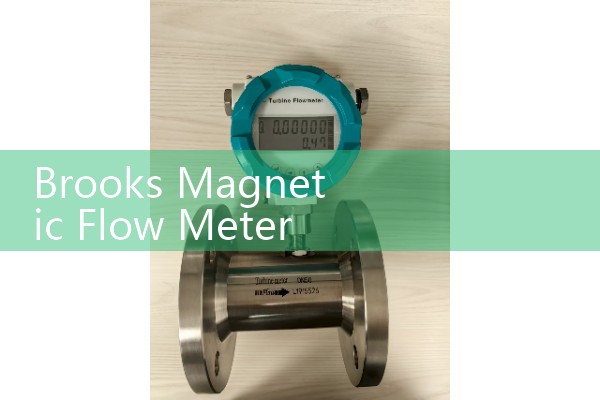
Brooks Magnetic Flow Meter Sourcing: Industrial Process Conductive Fluid Probes
Quick Answer: For industrial process conductive fluid probes, Silver Automation Instruments supplies magnetic flow meters from DN15 to DN600. If you need a Brooks-compatible meter or a second source for water, chemicals, slurry, or food products, send your conductivity in µS/cm, pipe size in DN, pressure in bar, temperature in °C, and flow range in m³/h. We quote within 24 hours.
Why the Fluid Must Be Conductive
Sourcing industrial process conductive fluid probes starts with the fluid. A magnetic flow meter works only when the process liquid has enough electrical conductivity. The standard Silver Instruments model needs a minimum of 5 µS/cm. Some liquids like deionized water or pure glycol fall below this level. In practice, most industrial water, wastewater, acids, caustic, slurries, and food liquids are well above 20 µS/cm. If your fluid is below 5 µS/cm, a magnetic meter is not the right choice. We ask for conductivity early so the quote does not waste your time.
Here is the thing. Many customers contact us after a failed trial with deionized water. A mag meter cannot read that fluid. We tell them before quoting. It saves a return shipment.
Process Data We Need for a Reliable Quote
Most engineers skip this part and later find a liner or electrode mismatch. We ask for six values. Fluid type, conductivity, pipe size, pressure, temperature, and flow range. A customer in Vietnam needed a meter for 15 percent hydrochloric acid at 60 °C. The best liner was PTFE and the electrode was tantalum. A standard hard rubber liner would have failed within months.
Send us your pressure in bar, temperature in °C, pipe size in DN, and flow range. We will select the liner, electrode, and process connection that fit your line.
Brooks Replacement Without Pipe Rework
If you currently use Brooks magnetic flow meters, you may need a second source or a faster delivery alternative. Silver Instruments builds flanged and wafer mag meters that match common face-to-face dimensions for DN15 to DN600. We supply ANSI 150, DIN PN16, JIS 10K, and other flange standards. In most cases the existing pipe spool stays in place.
We do not claim to be a Brooks authorized distributor. We are an industrial flow meter manufacturer. But we do offer a practical drop-in replacement for many general process and utility lines. Confirm the face-to-face dimension on your existing meter. We compare it against our drawing before you order.
Liner and Electrode Selection by Fluid
For clean water and wastewater, hard rubber or EPDM liners work well with 316L stainless steel electrodes. For acids and caustic, PTFE or PFA liners are safer. For seawater and brine, titanium or Hastelloy C electrodes resist pitting. For food and beverage, PFA liners with 316L electrodes support CIP and SIP cycles. For abrasive slurry, soft rubber liners handle wear better than hard rubber.
We have seen a mining customer in Western Australia replace hard rubber meters every
Outputs and Hazardous Area Options
Silver Instruments magnetic flow meters provide 4 to 20 mA HART, pulse, and RS485 Modbus RTU. The display shows flow rate, total, and velocity. You can power the meter with 85 to 265 V AC or 24 V DC. Standard protection is IP67. Remote mount versions can be IP68 for flooded pits.
For hazardous areas, we supply ATEX Zone 1 and Zone 2 options. Let us know the gas group and temperature class. We match the certificate to your site requirement.
Common Applications on Customer Sites
A desalination plant in the Middle East uses our magnetic flow meters on brine discharge and feed water lines. A chemical dosing skid builder in Australia uses DN15 and DN25 meters for acid injection. A food additives plant in Mexico measures syrups and starches with PFA liners. A municipal wastewater station in the Philippines meters raw sewage and sludge return lines. We have seen many installations where a mag meter replaced an unreliable mechanical meter and reduced maintenance.
How to Get a Quote
Send us your process data in one message. Include fluid name, conductivity in µS/cm, pipe size in DN, operating pressure in bar, temperature in °C, and flow range in m³/h. Tell us if you need a compact or remote mount, flange standard, and hazardous area approval. Our engineers reply with a model recommendation, datasheet, and price quote.
Call Tel: +86-25-68650347. Message us on WhatsApp: +86-25-52155837. WeChat ID: +86 15365082610. You can also visit our website flow-meter.com.au for technical datasheets.
FAQ
What is the minimum conductivity for a magnetic flow meter?
The standard Silver Instruments model needs at least 5 µS/cm. Most industrial water, wastewater, acids, caustic, and slurry exceed 20 µS/cm. Deionized water and some pure solvents cannot be measured by a mag meter.
Can Silver Instruments replace a Brooks magnetic flow meter without pipe changes?
In many cases yes. Check the face-to-face dimension of your current meter. We compare it to our drawing for DN15 to DN600. Most ANSI, DIN, and JIS flanged lines can stay in place.
What liner and electrode work for seawater and desalination brine?
We recommend hard rubber or EPDM liners with titanium or Hastelloy C electrodes. PTFE liners also work for chemical cleaning conditions. Send the chloride concentration and temperature for a confirmed selection.
How fast can you provide a price and lead time?
For standard DN15 to DN300 meters, we usually quote within 24 hours. Lead time depends on liner, electrode, and approvals. Most standard models ship in 2 to 4 weeks. ATEX versions may take longer.
Do you supply hazardous area approvals?
Yes. We supply ATEX Zone 1 and Zone 2 versions. Give us the gas group, temperature class, and zone. We provide the certificate with the offer.