

『Circuit Sensor Flow Meter: Sourcing Hydronic Balancing Valve Sizing Specs』Related information(v cone flow meter|rotary gas meter|gallon meter|gear meter|metal tube rotameter|glass tube rotameter|nutating disk meter|transit time ultrasonic flow meter|wedge flow meter|pd meters|hydraulic flow meter|ultrasonic water flow meter|water flow meter|air flow meter|magnetic water flow meter|oxygen flow meter|gas flow meter|argon flow meter|air velocity meter|gasoline flow meter|fuel flow meter|ultrasonic water meter|digital water meter|nitrogen flow meter|solid flow meter|Oxygen tank flow meter|digital water flow meter|diesel fuel flow meter|steam flow meter|02 flow meter|compressed air flow meter|oil flow meter|liquid flow meter)
Circuit Sensor Flow Meter: Sourcing Hydronic Balancing Valve Sizing Specs
Quick Answer: For hydronic balancing valve sizing specs, collect pipe diameter, design flow rate, differential pressure, and temperature. Silver Automation Instruments supplies circuit sensor flow meters and electromagnetic flow meters for balancing valves from DN15 to DN300, with 4-20 mA HART, Modbus RTU, and PT100 options. Send your pipe size, flow range, and pressure drop to get a quote from our team.
What a Circuit Sensor Flow Meter Does in a Hydronic System
A circuit sensor flow meter measures flow, supply temperature, and return temperature in closed hydronic loops. It gives the building management system data for chilled water, hot water, and condenser water circuits. In practice, engineers use this data to verify that each branch receives the design flow instead of guessing from valve position. Because hydronic loops are closed, the meter must stay stable at low flow during part load.
Sizing Specs to Collect Before Sourcing
Start with pipe size DN. Then collect design flow in m3/h or L/s. Add differential pressure across the balancing valve in kPa. Specify fluid type, glycol percentage, minimum and maximum temperature, and required accuracy. For most hydronic balancing work, 0.5 percent of reading is enough. Include output signal, power supply, and local display needs. Most sites ask for 4-20 mA HART and one pulse output. Some building automation panels also need Modbus RTU.
Flow Meter Selection for Hydronic Balancing Valves
Electromagnetic flow meters fit most hydronic loops from DN15 to DN300. They handle water with glycol and give stable readings even at low flow. Ultrasonic clamp-on meters work when pipe shutdown is not possible. For small branch circuits under DN25, a compact insertion or inline electromagnetic meter is easier to install. For a DN80 chilled water circuit at 50 m3/h, an inline electromagnetic meter with EPDM liner and stainless steel electrodes is a safe spec. For a DN150 condenser water line at 3 bar, a rubber liner and IP67 housing work well.
How to Size the Meter Using Cooling Load
Use the formula Q in m3/h equals load in kW divided by 1.16 times delta T in Kelvin. A 250 kW chilled water circuit with 6 K delta T needs 35.9 m3/h. At a velocity of 2.5 m/s, that flow is close to DN65. Many engineers choose DN80 to reduce pressure loss and noise. A meter sized too large can lose accuracy at low load.
Common Field Problems We See
Most engineers skip one check. The meter must be full of
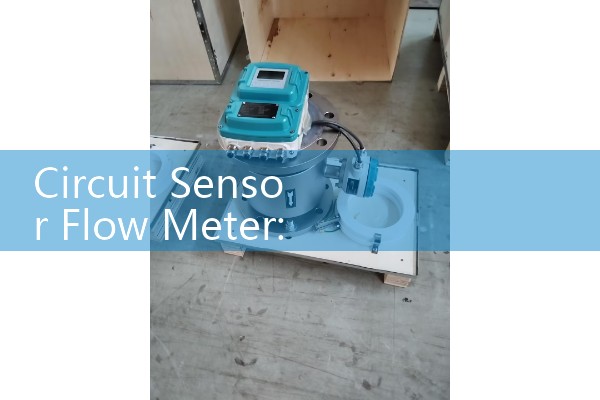
Sourcing Circuit Sensor Flow Meters for Hydronic Projects
Silver Automation Instruments supplies flow meters from our Nanjing factory to contractors and distributors in Southeast Asia, Oceania, Latin America, Africa, and the Middle East. We keep standard models for DN15 to DN300 in stock. Custom flange standards include ANSI, DIN, JIS, and BS. Delivery for standard electromagnetic flow meters is usually 7 to 10 working days. Larger sizes or special liners take about 3 weeks.
Send your pressure in bar, temperature in °C, pipe size in DN, and flow range to our team. Tel: +86-135-1213-1526. WhatsApp: 86-135-12131526. WeChat: +86 13512131526.
FAQ: Hydronic Balancing Valve Flow Meter Sourcing
Which flow meter type is best for hydronic balancing valves?
Inline electromagnetic flow meters are the default choice for closed hydronic loops because they have no moving parts and handle low conductivity water with glycol. Ultrasonic clamp-on meters are better when pipe shutdown is not possible.
What accuracy do hydronic balancing projects need?
For energy measurement and balancing verification, 0.5 percent of reading is standard. For simple branch balancing, 1 percent is often enough. Specify accuracy at a defined flow range, not just at full scale.
Can one flow meter work with different balancing valve brands?
Yes. Match the meter to pipe size and flow range. The balancing valve brand does not matter. If the valve has PT ports, the meter can read flow separately and the valve can stay in place.
What specs do you need for a quote?
Send fluid, pipe size DN, design flow m3/h, pressure bar, temperature °C, output signal, and power supply. For retrofits, include the existing straight run length and flange standard.
Do you supply circuit sensor flow meters with PT100 temperature inputs?
Yes. Silver Automation Instruments can supply electromagnetic and ultrasonic flow meters with PT100 inputs for supply and return temperature. The flow meter can compute energy when temperature difference and flow are available.
 Hot Blog
 Related AD