

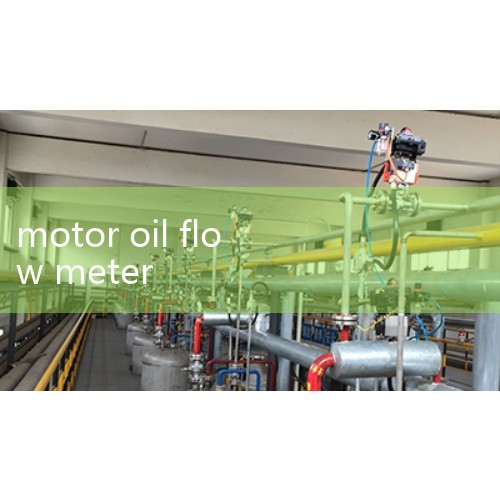
『motor oil flow meter』Related information(v cone flow meter|rotary gas meter|gallon meter|gear meter|metal tube rotameter|glass tube rotameter|nutating disk meter|transit time ultrasonic flow meter|wedge flow meter|pd meters|hydraulic flow meter|ultrasonic water flow meter|water flow meter|air flow meter|magnetic water flow meter|oxygen flow meter|gas flow meter|argon flow meter|air velocity meter|gasoline flow meter|fuel flow meter|ultrasonic water meter|digital water meter|nitrogen flow meter|solid flow meter|Oxygen tank flow meter|digital water flow meter|diesel fuel flow meter|steam flow meter|02 flow meter|compressed air flow meter|oil flow meter|liquid flow meter)
 Here is a detailed article on **motor oil flow meters**.
---
### The Essential Guide to Motor Oil Flow Meters: Precision, Performance, and Protection
In the world of engines, lubrication is the unsung hero of performance and longevity. While the quality of motor oil is critical, the ability to measure its flow accurately is equally vital. Whether in an industrial engine, a heavy-duty diesel generator, or a complex R&D lab, a **motor oil flow meter** is the key instrument for monitoring the health, efficiency, and reliability of any lubricating system.
#### Why Measure Oil Flow?
Detecting a simple oil pressure drop is often too late to prevent damage. Flow measurement provides a real-time, granular view of what is happening inside the engine. By measuring the volume or mass of oil circulating per minute, engineers and operators can:
1. **Prevent Premature Wear:** A sudden drop in flow can indicate a clogged filter, a failing pump, or a significant leak before pressure readings become critical.
2. **Optimize Engine Performance:** Engines are designed with specific lubrication requirements. Monitoring flow ensures the system delivers the correct amount of oil to bearings, camshafts, and turbochargers, reducing friction and heat.
3. **Extend Oil Life:** By tracking flow rates, intelligent maintenance systems can determine the optimal intervals for oil changes, reducing waste and operational costs.
4. **Improve Fuel Efficiency:** Proper lubrication reduces parasitic drag, directly contributing to better fuel economy.
5. **Enable Predictive Maintenance:** Flow data analyzed over time reveals trends (e.g., gradual pump wear or increasing internal clearances), allowing for repairs before a catastrophic failure occurs.
 Hot Product
 Related AD