

『Em Flow Meter Basics: Introduction to Electromagnetic Induction Flow Measurements』Related information(v cone flow meter|rotary gas meter|gallon meter|gear meter|metal tube rotameter|glass tube rotameter|nutating disk meter|transit time ultrasonic flow meter|wedge flow meter|pd meters|hydraulic flow meter|ultrasonic water flow meter|water flow meter|air flow meter|magnetic water flow meter|oxygen flow meter|gas flow meter|argon flow meter|air velocity meter|gasoline flow meter|fuel flow meter|ultrasonic water meter|digital water meter|nitrogen flow meter|solid flow meter|Oxygen tank flow meter|digital water flow meter|diesel fuel flow meter|steam flow meter|02 flow meter|compressed air flow meter|oil flow meter|liquid flow meter)
Electromagnetic Flow Meter Basics: Introduction to Electromagnetic Induction Flow Measurements
Quick Answer: An electromagnetic flow meter, also called a magmeter, measures conductive liquid flow using electromagnetic induction. The meter has no moving parts and creates almost no pressure drop. Silver Automation Instruments supplies inline magmeters from DN15 to DN2000 with 4-20 mA HART, pulse, and RS485 Modbus outputs.
How an Electromagnetic Flow Meter Works
An electromagnetic flow meter uses two field coils mounted outside a flow tube. The coils generate a magnetic field across the pipe. When a conductive liquid moves through this field, the liquid produces a small voltage. Two electrodes on the tube wall pick up the voltage. The transmitter converts the voltage into flow rate, total flow, and a 4-20 mA HART signal.
Faraday law states that voltage is proportional to fluid velocity. For a known pipe diameter, the transmitter calculates volumetric flow in m3/h. The Faraday law principle works only when liquid conductivity is above a minimum level. For most Silver Automation Instruments magmeters, the minimum is 5 µS/cm. Demineralized water and pure oils do not work.
What Liquids Can a Magmeter Measure
Here is the thing. You can use a magmeter on water, raw sewage, sludge, acids, caustic soda, beer, milk, fruit pulp, and mining slurry. The fluid must be electrically conductive. Hydrocarbons, vegetable oils, and pure steam are not suitable. We have seen the problem on customer sites many times. A site tries to measure diesel or lube oil with a magmeter and gets no stable reading.
For corrosive chemicals, the liner and electrode material matter more than the meter size. A PTFE liner with Hastelloy C electrodes handles hydrochloric acid and sulfuric acid. A polyurethane liner works for abrasive mining slurry. Natural rubber liners are cost effective for water and wastewater.
Key Specifications to Check Before You Request a Quote
Most engineers skip this part and later face delays. You need six details before choosing an electromagnetic flow meter. Pipe size in DN, flow range in m3/h or L/h, fluid name and concentration, liquid conductivity in µS/cm, pressure in bar, and temperature in °C.
Silver Automation Instruments offers compact and remote transmitter versions. A compact magmeter works for easy access installations. A remote version suits flooded pits, high temperature pipes above 80 °C, and installations where the transmitter needs to sit away from the sensor. Standard accuracy is 0.5 percent of reading. Optional accuracy is 0.2 percent for custody transfer and blending.
Output selection depends on your control system. Most customers request 4-20 mA HART plus pulse. Many water plants also add RS485 Modbus for SCADA. Power options are 220 V AC, 24 V DC, and battery powered for remote sites.
Installation and Accuracy Factors
Electromagnetic flow meters need a full pipe. The meter tube should stay filled with liquid at all times. Air bubbles cause unstable readings. For horizontal lines, install the meter in a low point or a rising line. For vertical lines, flow should go upward.
You need straight pipe sections
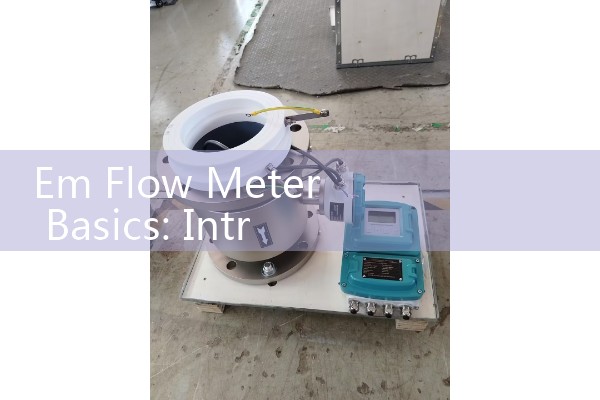
Grounding is another field issue. Magmeters need a good path to earth. Use grounding rings when the pipeline is plastic or lined. Metal pipes may need a ground strap from the meter body to pipe flanges.
Applications We See in Export Markets
A water treatment contractor in Vietnam ordered DN300 rubber lined magmeters for raw water and backwash lines. A desalination plant in Oman requested DN400 PTFE lined meters with titanium electrodes for seawater. A paint manufacturer in Southeast Asia uses DN25 PTFE lined meters for solvent based coatings. A dairy processor in New Zealand measures milk and CIP chemicals with sanitary magmeters.
A water utility in South Africa uses DN100 magmeters for potable water distribution. In Latin America, mining plants often ask for polyurethane lined magmeters with tungsten carbide electrodes for slurry. In Mexico and Chile, the meters handle abrasive tailings and concentrate. In Australia and the Middle East, wastewater plants use IP68 remote sensors for buried chambers.
Because many of these projects need quick delivery, Silver Automation Instruments keeps standard sizes in stock. Common DN50, DN80, DN100, DN150, and DN200 units ship within 7 days. Custom liners and exotic electrode materials take longer.
FAQ: Electromagnetic Flow Meter Basics
What is the minimum conductivity for a magmeter? The minimum is usually 5 µS/cm. Some applications with long signal cables may require 20 µS/cm or higher. Contact us with your fluid type and cable length.
Can an electromagnetic flow meter measure oil or diesel? No. Oil, diesel, and gasoline are not conductive. Use an oval gear flow meter or a Coriolis mass flow meter for those fluids.
What is the difference between compact and remote magmeters? Compact models mount the transmitter directly on the sensor. Remote models separate the transmitter from the sensor with a signal cable up to 100 m. Remote is better for high temperature, vibration, or flooded pit installations.
Which liner material should I choose? Hard rubber suits water and wastewater up to 80 °C. PTFE suits acids and aggressive chemicals up to 120 °C. Polyurethane suits abrasive slurry. Send us your fluid name and temperature for a specific liner selection.
Do you supply explosion proof electromagnetic flow meters? Yes. We offer ATEX Zone 1 and IECEx approved transmitters for gas and chemical plants. Remote converters can be installed in safe areas or in hazardous zones.
How to Get a Quote from Silver Automation Instruments
Send us your pressure in bar, temperature in °C, pipe size in DN, flow range in m3/h, fluid name, and conductivity in µS/cm. We will recommend a liner, electrode material, output, and power supply within one working day.
Contact Silver Automation Instruments for electromagnetic flow meter price and delivery. Tel +86-25-68650347, WhatsApp +86-25-52155837, WeChat +86 15365082610. Visit flow-meter.com.au for product specifications.
 Hot Blog
 Related AD