

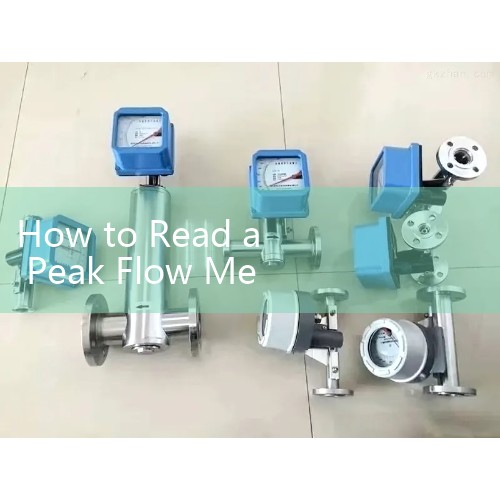
『How to Read a Peak Flow Meter for Asthma: Match your result to the green, yellow, or red zones defined in your personal asthma action plan provided by your doctor.』Related information(v cone flow meter|rotary gas meter|gallon meter|gear meter|metal tube rotameter|glass tube rotameter|nutating disk meter|transit time ultrasonic flow meter|wedge flow meter|pd meters|hydraulic flow meter|ultrasonic water flow meter|water flow meter|air flow meter|magnetic water flow meter|oxygen flow meter|gas flow meter|argon flow meter|air velocity meter|gasoline flow meter|fuel flow meter|ultrasonic water meter|digital water meter|nitrogen flow meter|solid flow meter|Oxygen tank flow meter|digital water flow meter|diesel fuel flow meter|steam flow meter|02 flow meter|compressed air flow meter|oil flow meter|liquid flow meter)
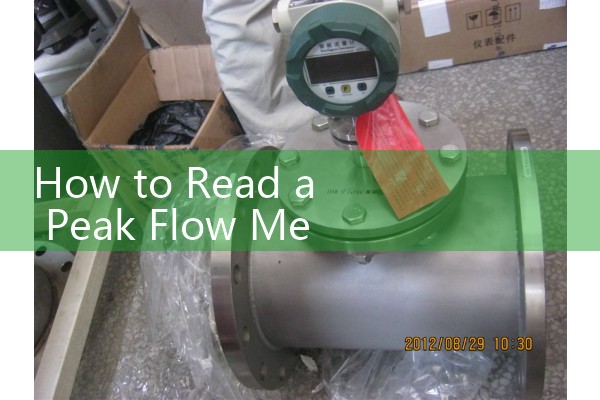
How to Read a Flow Meter for Industrial Processes: Match Your Result to the Green, Yellow, or Red Zones
Quick Answer: You match the live flow reading on the transmitter display to the safe operating zones set in your process control plan. Green zone means the flow rate is normal. Yellow zone means you need to check the process soon. Red zone means stop the line or investigate immediately. Send us your pressure in bar, temperature in °C, pipe size in DN, and flow range to get a specific meter model and price from Silver Automation Instruments.
What Are Green, Yellow, and Red Zones on an Industrial Flow Meter
Most engineers skip this part. In practice you can set three zones on any modern flow meter through the local display or HART software. The zones are not preloaded. You define them based on your process limits. Green zone covers the normal flow range where the equipment runs safely and product quality stays stable. Yellow zone means the flow is drifting outside the normal band but still within acceptable limits. Red zone means the flow is too low or too high and you need to act fast.
For example a DN80 electromagnetic flow meter on a cooling water line may have a green zone from 40 to 60 m3/h. The yellow zone could be 30 to 40 or 60 to 70 m3/h. The red zone would be below 30 or above 70 m3/h. The exact numbers depend on pump capacity, pipe size, and process requirements. We have seen this on customer sites many times.
How to Read the Flow Meter Display Correctly
Stand in front of the transmitter display. Read the live flow value directly. The display shows units like m3/h, L/min, kg/h, or Nm3/h depending on the meter type. Do not guess the unit. A Coriolis mass flow meter shows mass flow in kg/h and density in kg/m3. A vortex flow meter shows volumetric flow in m3/h and sometimes temperature in °C. A thermal mass flow meter shows normal cubic meters per hour in Nm3/h or mass flow in kg/h.
You can also read the flow rate from a 4-20 mA signal. Many control rooms in Southeast Asia and the Middle East still use 4-20 mA with HART. The 4 mA point equals the low range value. The 20 mA point equals the high range value. If your flow meter range is 0 to 100 m3/h then 12 mA equals 50 m3/h. Most engineers skip this calculation but it matters when you do a site check.
Set the Green Zone Based on Real Process Data
Do not copy a zone setting from another plant. A paint manufacturer in Vietnam once copied settings from a water treatment plant. The green zone was far too wide for a solvent transfer line. The batch quality drifted for two weeks before the operator noticed. Use your own production data. Check the flow rate during stable runs for at least seven days. Mark the lowest and highest stable values. That band becomes your green zone.
A typical food and beverage line using a Coriolis mass flow meter for syrup dosing may have a green zone of 180 to 220 kg/h. The yellow zone is 150 to 180 or 220 to 250 kg/h. The red zone is below 150 or above 250 kg/h. These numbers come from a real customer site in Thailand. The flow meter had an accuracy of ±0.1 percent of rate. The operators checked the display every shift.
Use the Yellow Zone as a Warning Window
Yellow does not mean stop. Yellow means check. A drop in flow from the green zone into yellow can point to a worn pump, a partially closed valve, or a filter that is starting to clog. An increase into yellow can point to a bypass valve open by mistake or a pressure spike upstream. Check the pressure transmitter reading at the same time. Compare the flow reading with the pump curve. This takes five minutes and can save a batch.
For a desalination plant in the Middle East the raw seawater flow meter starts in the green zone at 900 to 1100 m3/h. If the flow drops to 800 m3/h the yellow zone is active. The operator checks the intake screen and the pump speed. If the flow rises to 1200 m3/h the yellow zone is active on the high side. The operator checks the pressure before the reverse osmosis membranes. The yellow zone works because the team set the limits based on actual membrane feed pressure limits.
Treat the Red Zone as a Stop or Investigate Signal
A red zone event means the process is outside safe limits. Stop the batch or slow down the line. Do not wait for the next shift. On an oil and gas separator liquid outlet a low flow into red could mean gas carry under. A high flow into red could mean a control valve stuck open. Both conditions need immediate investigation. The flow meter reading alone may not tell you the root cause. But it tells you that something changed fast.
Silver Automation Instruments recommends wiring the flow meter alarm relay to a control room light stack. The relay can trip on low flow or high flow. Set the trip point at the edge of the yellow zone. This way the red zone is not the first warning. The yellow zone alarm gives the operator time to react. The red zone alarm means the operator missed the first warning or the change was very fast.
Which Flow Meter Outputs Work Best for Zone Monitoring
Most plants use 4
Modbus RTU or Modbus TCP also works. A chemical plant in Saudi Arabia sends flow meter data over Modbus RS485 to a PLC. The PLC handles zone logic and sends alerts to the operator panel. The flow meter itself does not need to hold the zone settings. The PLC can do the comparison. This is common in larger plants with many flow loops.
Common Mistakes When Matching Flow Readings to Zones
One mistake is using the wrong engineering unit. A vortex flow meter on steam often reads in kg/h. An operator reads the value as m3/h and sets the wrong zone limits. Steam density is much lower than water so the numbers look strange. Check the unit on the display and on the HART menu. Another mistake is ignoring temperature and pressure compensation. A thermal mass flow meter on compressed air reads Nm3/h. If the pressure drops from 7 bar to 5 bar the actual volumetric flow changes. The Nm3/h reading may look normal but the actual air flow in m3/h is different. Set the zones in the unit that matches your process control requirement.
A third mistake is setting the green zone too narrow. A narrow green zone generates too many alarms. Operators start ignoring alarms. Then a real red zone event gets missed. The green zone should cover the normal variation of your process. Not the perfect design point. Include the effect of ambient temperature changes, raw material batch variations, and pump wear over a one year period.
Flow Meter Types and What They Show on the Display
Different meter types show different variables. A Coriolis mass flow meter shows mass flow in kg/h, density in kg/m3, and temperature in °C. It can also show volume flow if you set the density reference. An electromagnetic flow meter shows volumetric flow in m3/h. It works only on conductive liquids with a conductivity above 5 µS/cm. A vortex flow meter shows volumetric flow in m3/h and has a frequency output in Hz. A thermal mass flow meter shows standard volumetric flow in Nm3/h or mass flow in kg/h for gas. An oval gear flow meter shows volumetric flow in L/h or m3/h and works well for diesel, fuel oil, and other viscous liquids.
For zone matching you need to know which variable matters for your process. A food plant dosing glucose syrup cares about mass flow in kg/h. A wastewater plant cares about volumetric flow in m3/h for billing and pump control. An air compressor plant cares about Nm3/h because the air volume changes with pressure and temperature. Pick the meter type that directly measures the variable you want to control.
How to Order a Flow Meter with Zone Monitoring Features
When you send us an inquiry include the following details. First the fluid name and state. For example raw sewage with 2 percent solids. Second the pipe size in DN. Third the flow range in m3/h or kg/h. Fourth the pressure in bar and temperature in °C. Fifth the required output signal. 4-20 mA HART is common. Modbus RTU is common in Asia. Sixth the hazardous area classification if needed. For ATEX Zone 1 or Zone 2 we need to know the gas group and temperature class.
Our engineers at Silver Automation Instruments will select the right meter and include relay alarm outputs if you need zone alerts. We ship to Southeast Asia, Oceania, Latin America, Africa, and the Middle East. We work with end users and distributors from 10 to 100 person SMEs. Send us your pressure in bar, temperature in °C, pipe size in DN, and flow range. You will get a specific model and price within one business day.
Contact Silver Automation Instruments today. Tel: +86-25-68650347. WhatsApp: +86-25-52155837. WeChat: +86 15365082610.
FAQ
Question 1: How do I set the green, yellow, and red zones on a flow meter?
You can set the zone limits through the local transmitter display or HART software. Go to the alarm or limit menu. Enter the low and high values for each zone. Many meters also let you set hysteresis to avoid relay chattering.
Question 2: Can I read flow rate from a 4-20 mA signal without a local display?
Yes. You need to know the calibrated range of the meter. For a 0 to 100 m3/h range, 4 mA equals 0 and 20 mA equals 100. Then use a simple linear scaling in the PLC or panel meter. HART also provides a digital readout over the same two wires.
Question 3: What flow meter is best for wastewater with solids?
An electromagnetic flow meter works well for raw sewage and sludge. It has no moving parts and the electrodes are flush with the liner. The minimum conductivity should be above 5 µS/cm. For sludge with high solids content check the liner material. We often recommend polyurethane or PTFE for abrasive service.
Questio
 Hot Product
 Related AD